

Travel Stories
Adventures to the four
corners of the globe!
Carefree travel
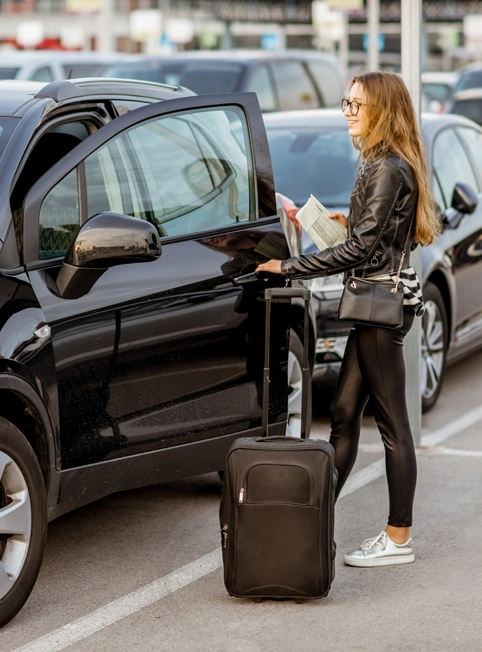
Book your rental car at the last minute
Save money on your car rental by hunting down bargains.
Visit online platforms to find the perfect car at the best price. This site will help you find a rental car to make your vacation or business trip easier. By choosing to rent a car online, you can book several models near you, even at the last minute.
This service provider improves mobility in cities by promoting carpooling. You can choose from several types of cars. Take the time to compare prices before making your reservation.



New horizons
Traveling means getting out of your comfort zone and discovering the world.

Travel stories
Some travelers’ stories inspire you to set off on an adventure.

Travel inspirations
Find inspiration for your next destination.

Travel adventures
Enjoy the thrill of unforgettable experiences as you explore breathtaking landscapes.
Travel Essentials
Essentials to pack for well-prepared adventures
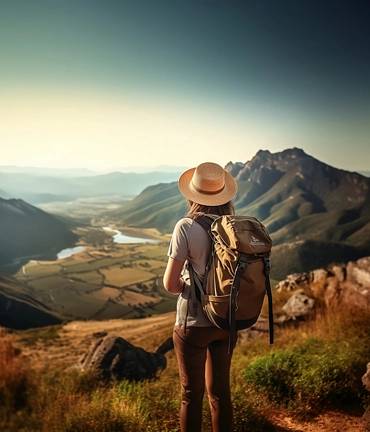
Backpacking adventures
Discover the world with a minimum of constraints.

Long road trip
A long road trip gives you the chance to experience some great moments.

Beach breaks
Check out the activities on offer during your seaside holidays.



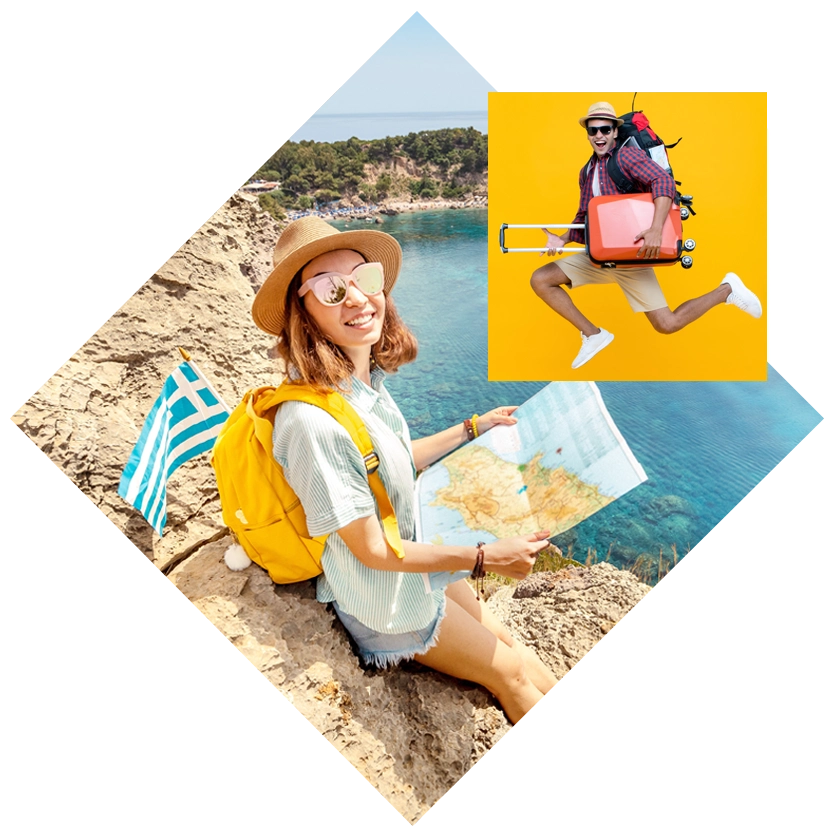
Solo travel
Introspective, inspiring travel
Whether you love nature, relaxation, or culture, find your ideal destination.
Solo travelers can enjoy an introspective and inspiring trip to Vietnam. This Southeast Asian country abounds in magnificent landscapes, such as the mountains of the north, the rice terraces and Halong Bay. Take advantage of your getaway to immerse yourself in Vietnamese culture by visiting temples and traditional villages.
Looking for a change of scenery? Choose Morocco as your destination for your next solo holiday. This country has some wonderful surprises in store for you: imperial cities, classy mountains, and the Sahara desert.

Smart travel
Traveling on a budget

The secrets of budget travel
Depending on the cost of living, the tourist season, the exchange rate, etc., some destinations are more expensive than others. You can find the best deals by researching a country’s standard of living and comparing the cost of accommodation, flights, activities, and transport.
The best way to reduce your vacation budget is to travel out of season. As well as saving money, you’ll be able to avoid the crowds and enjoy a peaceful vacation.

Natural wonders and hidden gems when traveling
- Halong Bay in Vietnam
- Grand Canyon in the USA
- Northern Lights in Scandinavia
- Mont-Saint-Michel in France
The globe-trotter's table
Gastronomic adventures in unknown lands
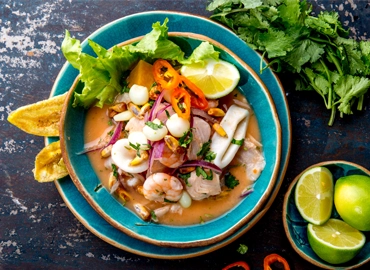
Peruvian ceviche
Prepare ceviche, a refreshing Peruvian dish.

Vietnamese banh mi
This Vietnamese sandwich is easy to prepare and personalize.
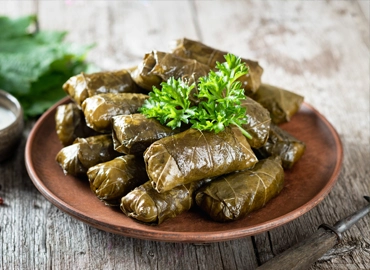
Turkish dolma
This dish is a blend of rice, minced meat, herbs, and spices.